Also known as median nerve compression, this condition occurs when the median nerve which passes through the carpal tunnel alongside the tendons that move the fingers
is compressed, leading to tingling and numbness in the hand.
Causes of Carpal Tunnel Syndrome
Swelling due to radius fractures, infection, or trauma
Repetitive housework or labor
Excessive strain on the wrist from computer or smartphone use
Hormonal or metabolic changes due to conditions like diabetes or thyroid disease
Symptoms of Carpal Tunnel Syndrome
Tingling or burning sensation in the fingers
Stiffness or cramps in the hands in the morning
Loss of grip strength, frequently dropping objects
Pain worsens at night, making it difficult to sleep
Diagnosis of Carpal Tunnel Syndrome
History & Physical Examination
Tinel’s Sign : Tingling in the fingers when tapping on the wrist Phalen’s Test : Holding the wrist in a flexed position for 60 seconds to see if symptoms worsen
Nerve Conduction Test / Electromyography
Evaluates the speed and degree of damage to the median nerve
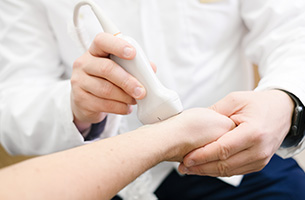
Ultrasound
Identifies the structure of the carpal tunnel, as well as swelling, cysts, or tumors
MRI
Performed in rare cases to identify other causes of nerve compression
Performed in rare cases to identify other causes of nerve compression
NON-SURGICAL
Wrist Brace Worn especially during sleep to prevent excessive flexion or extension of the wrist
Medication Anti-inflammatory drugs or localized steroid injections
Physical Therapy Includes heat therapy, ultrasound, and stretching
Cause Management Reducing repetitive movements and improving work posture
SURGICAL
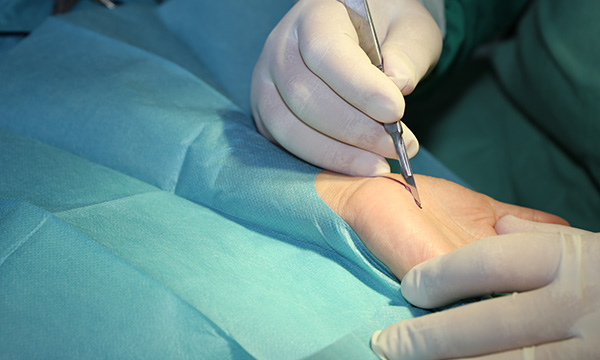
Endoscopic nerve decompression surgery is performed by cutting the ligament compressing the median nerve. This relieves pressure in the carpal tunnel, reduces pain and tingling, and restores wrist mobility.
A 1.5 cm vertical incision is made on the wrist
The transverse carpal ligament, which compresses the median nerve, is vertically incised
The incision is extended upward and downward while protecting the median nerve
Once full decompression of the nerve is confirmed, the incision is closed
Precautions
Although rare, bleeding, infection, or blood clots may occur during surgery or procedures.