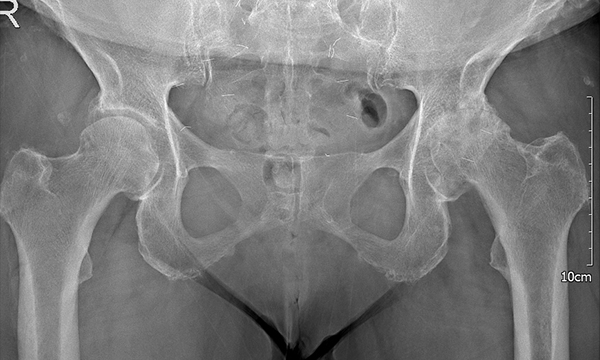
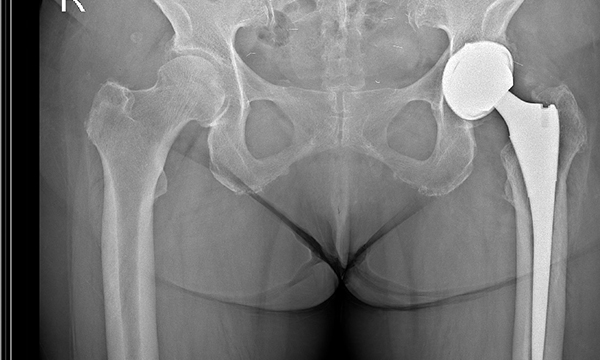
This surgery removes the damaged femoral head
and replaces it with a specialized, biocompatible artificial joint to restore the joint’s original function.
Hip replacement is commonly performed when the cartilage of the hip joint wears away, or in cases of fracture or femoral head osteonecrosis (avascular necrosis), to restore normal joint function.
Minimally invasive techniques reduce soft tissue damage and lower the risk of complications.
Systematic pain management and rehabilitation help shorten recovery time.
Who Needs Hip Replacement Surgery
Persistent pain despite conservative treatments such as medication, physical therapy, injections, or procedures
End-stage degenerative arthritis where cartilage has severely worn out
Pain and functional limitation due to hip dislocation, trauma, or infection Also applicable to patients with femoral fractures involving the hip
Hip Replacement Surgery Methods
The most suitable type of hip replacement is selected based on the patient’s specific degree of damage.
Total Hip Replacement
The damaged femoral head is removed and replaced with an artificial hip joint.
Hemiarthroplasty
When only the femoral head cartilage is damaged but the acetabulum is intact, only the femoral head is replaced.
Precautions
Although rare, bleeding, infection, or blood clots may occur during surgery or procedures.